Travel Guides
Responsible Tourism in Ethiopia

Hamba Ethiopia Tours
Travel & Culture
Ethiopia is one of Africa's most extraordinary travel destinations — a country of ancient civilisations, dramatic landscapes, and deeply woven cultural traditions. But as tourism grows, so does the responsibility of every visitor to ensure that their presence benefits, rather than harms, the people and places they encounter. This guide covers everything you need to know about travelling Ethiopia with genuine care.
Wildlife & Natural Ecosystems
Ethiopia is home to some of Africa's most unique endemic species. The Ethiopian Wolf — the world's rarest canid — roams the Bale and Simien Mountains. Gelada baboons graze in vast herds across high-altitude meadows. The Walia ibex clings to rocky escarpments found nowhere else on earth.
Responsible wildlife viewing means keeping a respectful distance and never feeding or approaching animals. Choose operators who employ local guides trained in low-impact observation, and avoid tours that guarantee sightings through baiting or habitat disruption. In protected areas, always stay on designated paths and follow ranger guidance — these rules exist not to restrict your experience, but to preserve it for every visitor who follows.
"The Ethiopian Wolf numbers fewer than 500 individuals. Every respectful encounter helps fund the conservation efforts keeping this species alive."
When visiting national parks such as Bale Mountains, Simien Mountains, or Awash, purchase official entry permits — these fees are the primary funding source for rangers, anti-poaching patrols, and habitat restoration. Avoid purchasing products made from wildlife, including feathers, bones, or skins, regardless of how they are presented to you.
Supporting Local Communities
One of the most impactful decisions a traveller can make is choosing where money flows. When tourism revenue reaches local communities directly, it creates powerful incentives to protect natural and cultural heritage. When it flows primarily to distant corporations, communities see little benefit from the visitors passing through.
Eat at locally owned restaurants rather than international chains. Stay in family-run guesthouses or community lodges where possible. Hire local guides — they carry knowledge of their landscape and culture that no outsider can replicate, and the income directly supports their families and communities.
When buying crafts and souvenirs, purchase directly from artisans at markets or community craft cooperatives rather than from intermediaries at tourist sites. Ask whether items are locally made. Haggling is culturally normal and expected in Ethiopian markets, but negotiating aggressively to the lowest possible price extracts value from people who have little to spare. Pay a fair price with a generous spirit.
Cultural Respect & Sensitivity
Ethiopia has one of the world's oldest and most continuous civilisations. Its people carry deep pride in their heritage — in the Aksumite Empire, the rock-hewn churches of Lalibela, the ancient manuscripts of their monasteries, and the living traditions of over 80 distinct ethnic groups. Visitors who approach this heritage with humility and curiosity are welcomed with extraordinary warmth.
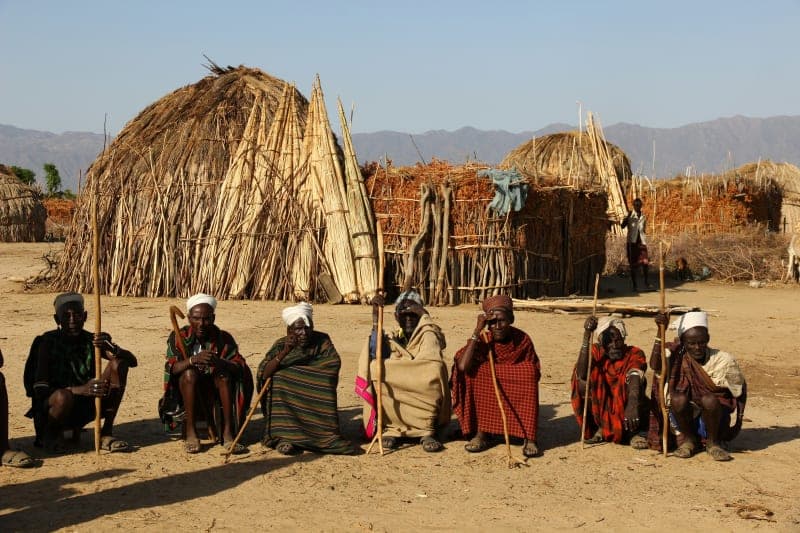
Dress modestly when visiting religious sites — this means covering shoulders and knees for both men and women, and removing shoes before entering churches and mosques. Ask permission before photographing people, particularly in rural communities and at traditional ceremonies. In many areas, pointing a camera at someone without asking is considered intrusive and disrespectful. A small payment may be expected — that is fair compensation for someone's time and presence in your photograph.

Learn a few words of Amharic before you arrive — Selam (hello), Ameseginalehu (thank you), and Endet neh / Endet nesh (how are you, to a man / woman) go a long way. Ethiopians are enormously proud of their language, and the effort will be received with genuine delight.
Ethiopian coffee culture is among the world's most elaborate. The traditional coffee ceremony — roasting green beans, grinding by hand, brewing in a clay jebena — is a gesture of hospitality and community. If invited to participate, accept with gratitude. It is considered polite to drink at least three rounds.
Environmental Responsibility
Plastic waste is a growing challenge across Ethiopia, particularly in areas with limited waste collection infrastructure. Carry a reusable water bottle and use purification tablets or a filter rather than single-use plastic bottles. Carry a reusable bag for market shopping. Pack out any waste you generate in natural areas — do not leave anything behind, including biodegradable food waste in sensitive habitats.
Water is scarce across much of Ethiopia, particularly in highland areas during dry season. Take short showers, reuse hotel towels, and be conscious of how much water your activities consume. Trekking operators should use established campsites with proper sanitation systems — if you're unsure, ask before you book.
Carbon offsetting is imperfect but worthwhile. Long-haul flights to Ethiopia carry a significant carbon footprint. Consider offsetting through reputable programmes, and once in country, choose ground transport over internal flights where time allows — Ethiopia's landscapes are best appreciated slowly.
How to Travel Responsibly
- Book through operators who pay fair wages to local staff and employ local guides
- Choose community lodges and family-run accommodation over large international hotel chains
- Eat local food at local restaurants — beyond being more responsible, it is far more delicious
- Ask your guide about community projects you can contribute to meaningfully
- Respect photography boundaries — always ask, always accept refusal gracefully
- Dress appropriately for the cultural context, especially at religious and ceremonial sites
- Carry reusable bottles, bags, and utensils to minimise plastic waste
- Purchase crafts directly from artisans and pay fair prices
- Tip generously — guides, drivers, and lodge staff depend on gratuities as part of their income
Choosing a Responsible Tour Operator
Not all tour operators are created equal. When researching who to travel with, ask directly: What percentage of your guides and staff are Ethiopian? How are local communities involved in tour design? What is your policy on wildlife viewing? Do you contribute to conservation or community projects?
At Hamba Ethiopia Tours, responsible travel is not a marketing add-on — it is the foundation of how we work. Our guides are Ethiopians who grew up in the regions they show you. Our itineraries are built with community input. We use locally owned lodges, restaurants, and suppliers wherever possible, and we actively support conservation organisations working to protect Ethiopia's endemic wildlife.
We believe the best travel experiences are those that leave places better than you found them. Ethiopia deserves visitors who come with curiosity, respect, and generosity. When that happens, the relationship between traveller and destination becomes something genuinely mutual — and unforgettable.
This article draws on guidance from Responsible Travel, a leading resource on sustainable tourism practices worldwide.

About the Author
Hamba Ethiopia Tours
Travel & Culture
Hamba Ethiopia Tours creates authentic, professionally curated journeys that connect travelers with the heart of Ethiopia.
0 Comments
Leave a Comment